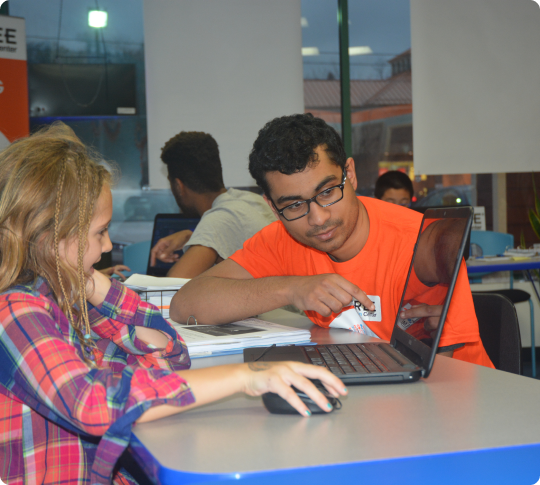
Stemtree of Spring TX: Educational Programs for Kids—Community Impact
Spring is a place where pockets of knowledge feel almost tangible. You walk into a classroom and hear the soft hum of curiosity—glue guns warming up in a craft room, small voices debating which planet has the strongest gravity, a line of kids waiting for the robotics club to begin. Stemtree of Spring TX sits squarely in that rhythm, a local hub that blends careful pedagogy with the messy, joyful work of growing confident, capable learners. This isn’t just about filling hours after school or keeping kids busy during summer; it is about building a small, durable ecosystem where children can test ideas, fail gracefully, and push their thinking beyond the obvious.
The story of Stemtree in Spring begins with a simple premise: let children exercise agency in a setting that prizes problem solving as much as it prizes correct answers. In practice, that means micro-classes that teach foundational coding skills alongside larger projects that demand collaboration, planning, and persistence. It means camps that feel like field trips for the mind, where mathematics, science, and technology intersect in practical, approachable ways. It also means a tutoring center that supports students who need a gentle boost or a different language for understanding tough concepts. The program portfolio is deliberate, designed to meet kids where they are and stretch them toward what comes next.
This article draws from real world experiences—from firsthand classroom observations to conversations with families and educators who have watched their kids transform with steady, meaningful exposure to STEM. The tone is rooted in what works in a neighborhood setting: consistency, clear expectations, a pace that respects developmental differences, and the quiet power of gradual mastery. If your family is weighing options for educational programs for kids in Spring TX, you will find here a candid look at how Stemtree’s offerings connect to community life, school routines, and after school hours.
A landscape of interlocking programs
Stemtree’s presence in Spring TX is not a single program, but a constellation of offerings that together create a continuous arc of learning. For many families, the magic happens when a child can anchor their week around a familiar space that reliably invites curiosity without pressure. The coding classes for kids, for example, are designed with progression in mind. Students start with block-based or simple scripting environments and move toward text-based languages as their cognitive and motor skills mature. The pacing respects the reality that new concepts are sticky; they require time to settle before the next layer is added.
Meanwhile, STEM camps in the summer act like a bridge between school years. They prevent learning loss while giving kids a vision of what they can accomplish with sustained effort. At Stemtree, summer stem camp is less about cramming and more about exploration within safe boundaries. The camp day blends hands on projects with short, focused lessons that anchor the experience in something tangible—a working robot, a coding game that runs in real time, a small experiment that demonstrates a physical principle. The staff’s role is to guide rather than over explain, to provide just enough scaffolding so a child can take ownership of the outcome.
The learning center for kids sits in a slightly different orbit. It’s a space for guided practice in subjects that frequently become stubborn or abstract when students encounter them alone. Tutors blend strategy with empathy, focusing not merely on correctness but on the patterns that underlie the right answers. Often, the work involves stepping back from a problem to observe how a student approaches it, then gently re framing the task with a new angle. This center’s value becomes most visible when a child who once dreaded certain topics begins to see them as solvable puzzles, with clear steps leading to a solution.
The tutoring center complements the other offerings by removing bottlenecks that can derail a student’s progress. homeschool programs near me It is not a place to re rehearse the same material at a higher speed; it is a place to build the mental tools that enable mastery. In practice, this looks like targeted remediation, project based review, and systematic practice that adapts to a learner’s evolving needs. Families report less homework stress, increased confidence, and a new willingness to engage with challenging material after regular sessions.
A practical look at program design
At the heart of Stemtree’s approach is a design philosophy that values engagement, relevance, and adaptability. The team understands that kids learn best when they can connect what they study to something meaningful in their own lives. That connection might be as simple as coding a video game that rewards a friend’s character with a new accessory, or as ambitious as building a small sensor system that measures temperature and sends a message when a threshold is crossed. The projects are not random. They are anchored in real world needs and curiosity triggers that kids bring with them into the room.
One recurring practice stands out across programs: explicit, frequent feedback that moves beyond numerical scores. In coding classes, feedback centers on comprehension and process. In other words, students are asked not only whether their program runs correctly, but how they structured their code, how they named variables, and how they tested for edge cases. This habit of reflective practice matters as early as elementary school because it teaches kids to treat learning as an ongoing dialogue with themselves. It’s the kind of mental discipline that pays dividends when students face tougher problems later on.
Another feature that matters in a community setting is accessibility. The question of who can participate is always in view. Stemtree makes deliberate choices to lower barriers—flexible scheduling, multi age group activities, and a mix of drop in and reserved spots. The aim is not to commodify learning but to weave STEM into the weekly routines of families who juggle homework, chores, and carpool lines. When a family can rely on a steady, predictable cadence of activity, children experience less anxiety around new material and can approach it with curiosity rather than trepidation.
Stories from the field
The most persuasive proof of a program’s effectiveness comes from lived experience. Consider a second grade student who joined a coding class half way through a semester. The child had a cautious demeanor and a tendency to freeze when facing tasks that required planning ahead. In the first weeks, the instructor offered short, defined challenges that allowed the student to feel a sense of accomplishment without being overwhelmed. Over time, the student began to see patterns in how games and programs are built, learned to debug with a structured checklist, and eventually designed a simple, yet quirky, game launch sequence that classmates enjoyed. The sense of belonging grew with each small victory, a critical factor in sustaining new skills.
Another example comes from a family that enrolled their middle schooler in a STEM camp during the summer break. The child had shown curiosity about how things work but had not connected that curiosity with a disciplined approach to experimentation. The camp’s structure, which interleaves short conceptual talks with longer hands on explorations, allowed the student to observe the difference between asking questions and testing hypotheses. By the end of the week, the student presented a five step plan for a solar powered rover project, including a materials list, a risk assessment, and a demonstration prototype. The family noted not only improvement in science confidence, but a new readiness to tackle school projects with a longer horizon and better planning.
A note about early childhood education in this ecosystem is essential. Stemtree’s approach to early education emphasizes play as the engine for learning. Preschool and pre kindergartners are introduced to foundational ideas in math, science, and technology through guided play, age appropriate puzzles, and collaborative storytelling. The goal is not to push academic milestones but to nurture curiosity, patience, and collaboration early on. In practice, this means activities like building simple machines with blocks, solving color coded puzzle challenges, and experimenting with magnets in a safe, supervised setting. The emphasis on social skills—sharing materials, listening to a peer, explaining a thought process to a group—often travels with the cognitive gains, strengthening a child’s readiness for formal schooling.
A core value: impact that endures
The community impact of Stemtree stretches beyond individual gains. When a family commits to consistent participation, the effects ripple into the broader neighborhood. Children who gain confidence in problem solving become more willing to volunteer for group projects or assist younger peers. In after school programs, it is common to see a student who once hid behind a notebook answer a question in front of others, or a shy learner who discovers a talent for explaining a concept to teammates. This dynamic matters because it signals a shift in social norms for learning, a cue that this space is safe for risk taking and resilience.
Parent perspectives often highlight the alignment between Stemtree’s programs and local school expectations. The emphasis on foundational coding skills supports digital literacy that is increasingly essential in elementary and middle school curricula. The tutoring center’s practice of diagnostic assessment helps families pinpoint where gaps exist and design study plans that are both efficient and humane. The summer stem camp offers continuity that keeps curiosity active when school ends, preventing the dreaded summer slide while delivering a sense of progress and purpose.
The practical choices that shape a family’s path
For families evaluating educational programs for kids in Spring TX, several practical questions matter more than slogans. What does the schedule look like during the school year and how flexible is it when there are family events or sports commitments? How are students grouped, and what is the ratio of instructors to learners in each program? What is the process for measuring progress, and how transparent is that process to parents? These questions matter because they get to the heart of whether a program can be woven into a family’s routine without becoming a source of stress.
Stemtree’s approach tends to be transparent and collaborative. Instructors explain learning goals at the outset of a project, provide mid course checks, and welcome parental input when it comes to aligning activities with school performance. For older students, the process often includes a portfolio of work that documents growth over time. That portfolio can be shared with school teachers or used during parent teacher conferences as a tangible demonstration of applied learning.
The risk side of things deserves equal attention. No program is perfect, and the most meaningful conversations about risk revolve around time management, the potential for burnout, and ensuring that activities remain inclusive. In practice, Stemtree makes space for families to opt into a pace that suits their child, with options to adjust as the year progresses. The staff also remains mindful of cognitive load, balancing the lure of new tools with the need to master fundamentals. This is not a stadium of flashy demonstrations; it is a workshop of incremental growth, where the best outcomes often arrive after repeated practice and the steady arrival of small, doable challenges.
Two small guides for healthy engagement
- Choose a rhythm that respects your child’s tempo. If your child thrives on longer blocks of time and deeper dives, lean into a camp or an extended project track. If the child benefits from frequent turn taking and shorter tasks, a weekly class with consistent reinforcement can be a better fit.
- Prioritize projects with real world relevance. Children invest more when they see a clear purpose. Projects like designing a simple app for a local need, or building a hands on device that demonstrates a physical principle, help anchor learning in a meaningful context.
A look at outcomes and what to watch for
School performance remains a focal point for many families, and the best outcomes in this field come from a combination of improved test readiness, stronger executive function, and a more hopeful relationship to challenging material. In environments like Stemtree, you can see progress in several channels:
- Increased persistence on difficult tasks. Students stay with a problem longer, try multiple strategies, and recover quickly from a failed attempt.
- Improved collaboration skills. Children learn to listen, negotiate roles, and integrate multiple viewpoints into a shared product.
- Better meta learning. Learners begin to verbalize their own thinking, naming what they know, what they do not know, and the steps they will take to find answers.
- A more structured approach to study. Learners move from ad hoc guessing to a methodical process that includes planning, testing, and revision.
The stability of a program like Stemtree is often revealed over time, not in a single spectacular project. Families looking for lasting impact should seek consistent, demonstrable progress across several months, rather than dramatic but isolated achievements in a short window. A well designed program will show a pattern of growth across different subjects and age groups, a sign that the approach to teaching is coherent and scalable.
How this all ties back to the community
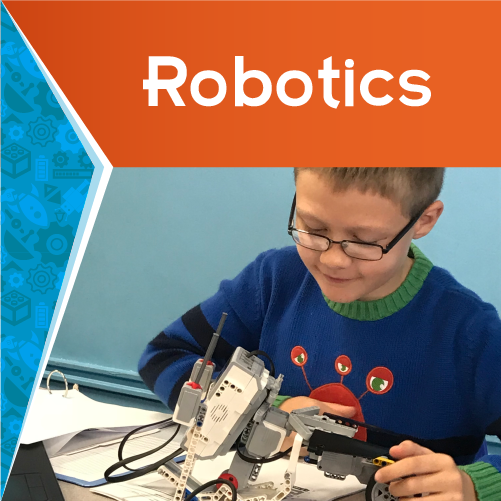
The real value of Stemtree in Spring TX extends beyond the walls of classrooms and laboratories. When children experience a consistent, nurturing environment that treats curiosity as a daily habit, families feel supported in their educational journey. The comprehensive nature of the offerings makes it possible for a child to move from a basic coding class to a more advanced STEM camp, and eventually to a robust tutoring plan that closes learning gaps while expanding capability. This continuity reduces the friction families face when trying to compare and select different programs. A child can grow more complex projects over time, while still returning to familiar routines that reinforce a sense of belonging.
Community events are a natural outgrowth of this ecosystem. Open houses, project showcases, and family nights offer opportunities for neighbors to see what children have built, to ask questions of instructors, and to share ideas about how to integrate STEM into daily life. These events build trust and create a feedback loop where program staff can tune offerings to align with evolving community needs. A thriving local program does not exist in isolation; it becomes part of the neighborhood’s shared vocabulary for learning, a dependable partner for schools, parents, and students alike.
The shape of opportunity, and its limits
No program is a silver bullet. Stemtree’s strengths lie in its ability to offer structured, progressive experiences that children can approach with agency and pride. The scope is broad enough to accommodate a range of interests—from robotics to game design to science inquiry—yet disciplined enough to avoid sprawling, unfocused activities. This balance is essential. The risk of an over ambitious or under resourced program is real in any community. To mitigate that risk, it helps when families stay closely connected with program leaders, provide feedback, and remain mindful of the child’s well being. Children learn best when they have room to explore but also a steady roadmap that signals what comes next.
The environmental condition matters too. A learning environment thrives when spaces are organized, materials are accessible, and safety standards are clear and enforced. In Stemtree settings, classrooms are arranged to invite collaboration, with clearly labeled stations for coding, robotics, and science experimentation. Equipment is checked regularly, and staff are trained not just in pedagogy but in safety, child development, and inclusive teaching practices. When these conditions exist, the learning experience feels less like school and more like a voyage of discovery that families are happy to support.
Looking ahead: sustaining impact over time
As Spring TX continues to grow, the relevance of educational programs like Stemtree becomes more pronounced. The demand for high quality, hands on learning experiences that complement formal schooling is not a passing trend. It reflects a broader shift toward cultivating adaptability, computational thinking, and collaborative problem solving—skills that will be essential in the jobs of tomorrow and in the civic life of communities today.
The way forward involves continued investment in teacher development, curriculum refinement, and community partnerships. In practice, this means ongoing professional development that helps instructors stay current with best practices in inquiry based learning, project management, and inclusive education. It means updating curricula so that projects grow in complexity as students gain experience and confidence. It also means strengthening ties with schools, libraries, and local organizations so that families have a clear sense of how Stemtree complements what students are doing in the classroom.
In the end, the impact of educational programs for kids in a place like Spring TX is measured not just by the number of students enrolled or the frequency of camps held, but by the degree to which children feel seen, capable, and curious. It is the quiet confidence in a child who realizes that a stubborn problem can be broken down into solvable steps. It is the delight of a family that watches their child arrive home after a class with a new question, a new strategy, or a new spark of motivation. It is, in the truest sense, a community choosing to invest in its own future by building the kinds of intellectual muscles that will serve children long after they have left the classroom.
A closing reflection on values and practicalities
The family that chooses Stemtree is often balancing many priorities. The decision is rarely made on a single factor like cost or convenience. It is a mosaic of mentorship, safety, schedule compatibility, and the feel of community. The best programs are those that invite parents to participate in the journey as cautious co designers of learning rather than distant observers. When families are welcomed into the process, when instructors share clear expectations about what students should know and be able to do at each stage, the learning becomes a shared enterprise rather than a transactional service.
If you’re weighing options for the next school year, consider how Stemtree’s educational programs for kids align with your child’s temperament and your family’s routines. Think about the kind of problem solving you want your child to develop, the level of collaboration you prize, and the ways in which a long term engagement could impact school projects and curiosity at home. The right fit is not about being first in a line of options, but about being aligned with a path that stays consistent, supports growth, and makes the everyday act of learning something to look forward to.
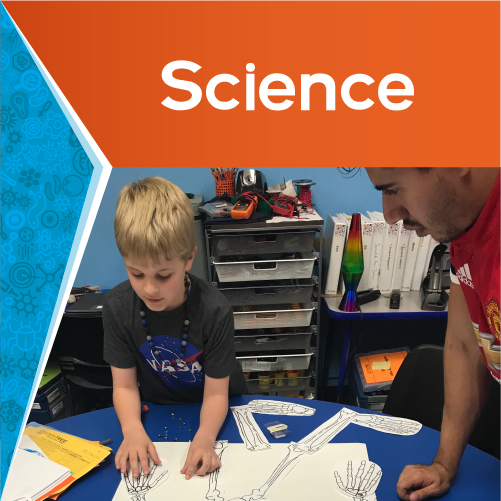
For parents who have seen their children grow through this network, the verdict comes down to a straightforward truth: progress that feels possible day by day, rather than a single moment of triumph, is the real success. Stemtree in Spring TX offers a landscape where curiosity meets craft, where a classroom becomes a workshop, and where learning threads through the year as a constant companion rather than a seasonal fling. It is a place where kids discover that their ideas matter, that their questions deserve a full attempt, and that with the right guidance, the brain learns to chase what it cannot yet see and eventually makes sense of it all.